
Airway dentistry focuses on how the structure of the mouth and surrounding areas affects breathing and sleep. By evaluating your child’s airway and identifying structures that may not be functioning optimally, we can work toward improving overall breathing, sleep, and health.
Feeding challenges are often complex and multifactorial, with many factors contributing to a baby’s ability to feed effectively. While tongue and lip tie release can be helpful for some babies, it’s only one tool in the toolbox.
That’s why we strongly recommend working with a lactation consultant before and after any release procedure. This ensures that families receive the best guidance and support for both feeding and healing.
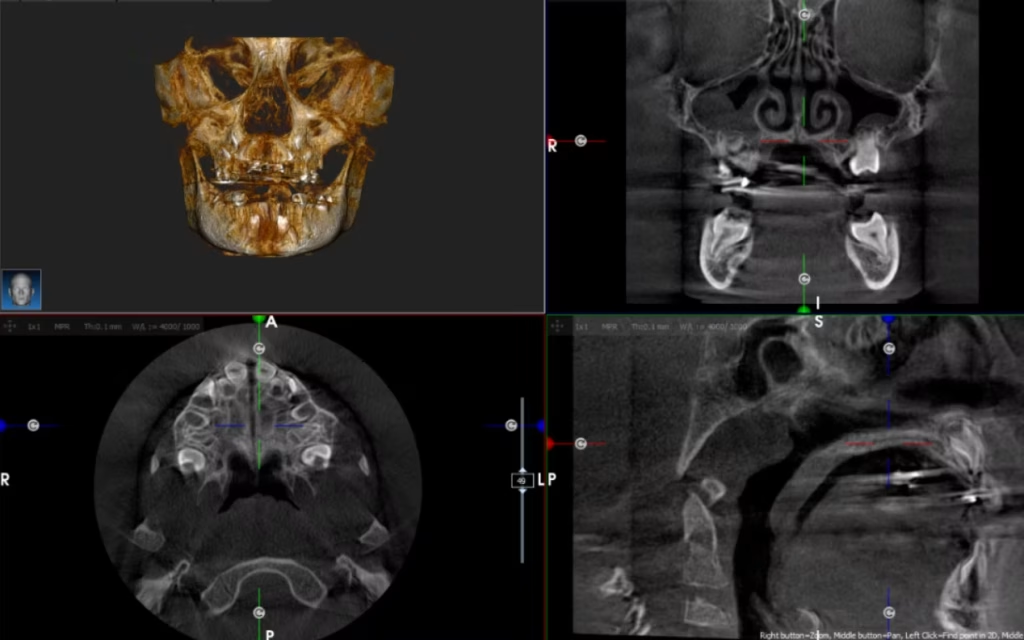
When we are asleep—or even at rest while awake—ideal breathing occurs through the nose, with the mouth closed and the tongue resting gently on the roof of the mouth. This breathing pattern filters, humidifies, and warms the air entering the lungs while supporting optimal tongue and jaw development.
However, the pathway from the nose to the lungs can sometimes be obstructed by factors such as:
Narrow nasal passages
High or narrow palate
Enlarged tonsils or adenoids
Allergies
Tongue tie
These airway obstructions can lead to sleep-disordered breathing, which may impact sleep quality, behavior, and overall health.
Our airway consult is designed to take a comprehensive look at your child’s airway health. The evaluation includes:
Low-dose cone beam CT scan
Intraoral photographs and scans
Clinical examination
Discussion with parents about sleep patterns and behavior
We carefully review our findings and recommendations with parents, including any factors contributing to airway restriction. Because airway issues are often multifactorial, solutions may involve:
Dentistry
Orthodontics
Ear, Nose & Throat (ENT) specialists
Myofunctional therapy
Our goal is to create a clear care plan, explain why each step may be necessary, and help organize any specialty care your child might need.
If your child struggles with sleep or breathing, you may consider scheduling an airway consultation. In addition, you can download our screening tool below. If your child scores eight or more positive answers, it may suggest the presence of sleep-disordered breathing. The scientific paper supporting this screening tool is also attached if you’d like to learn more.